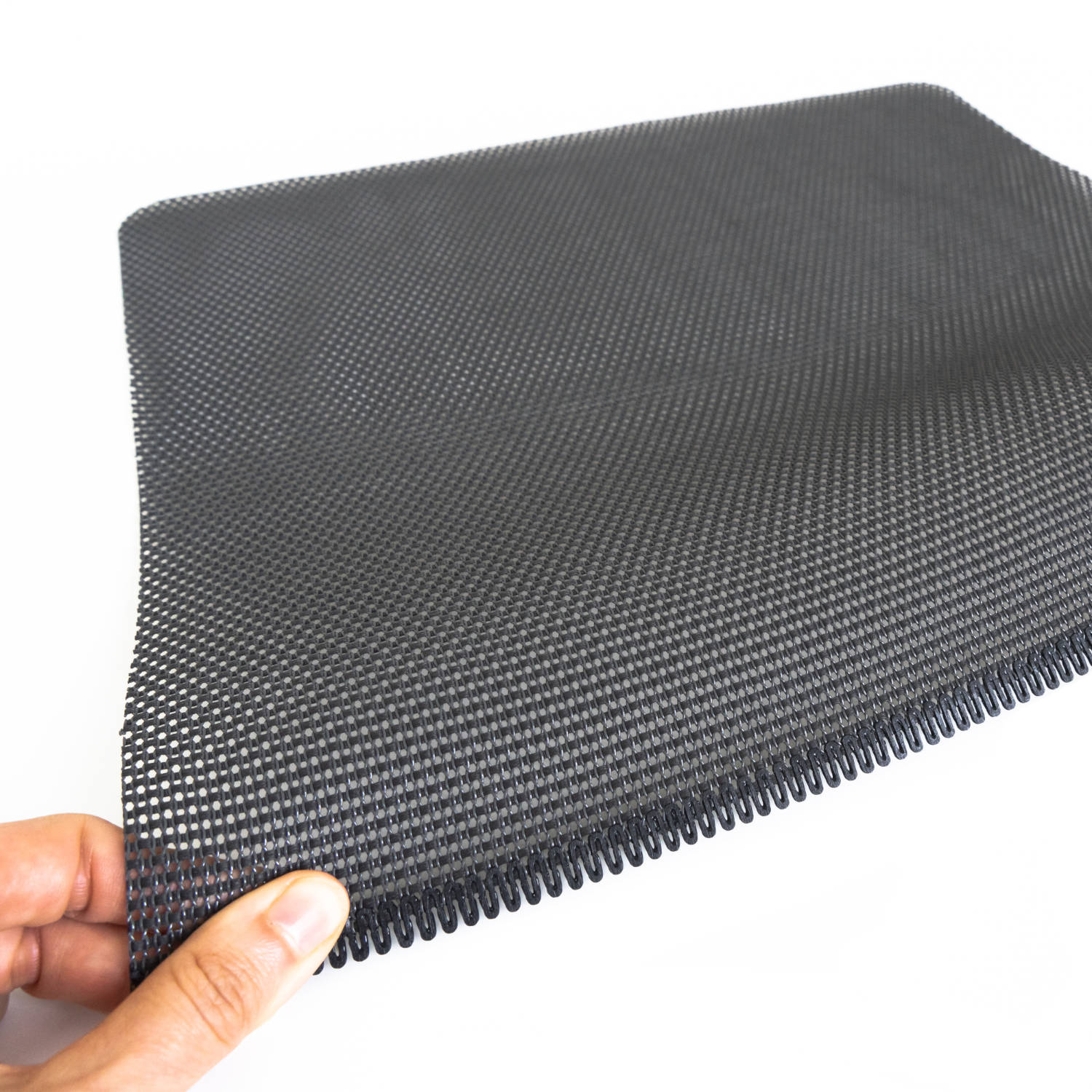
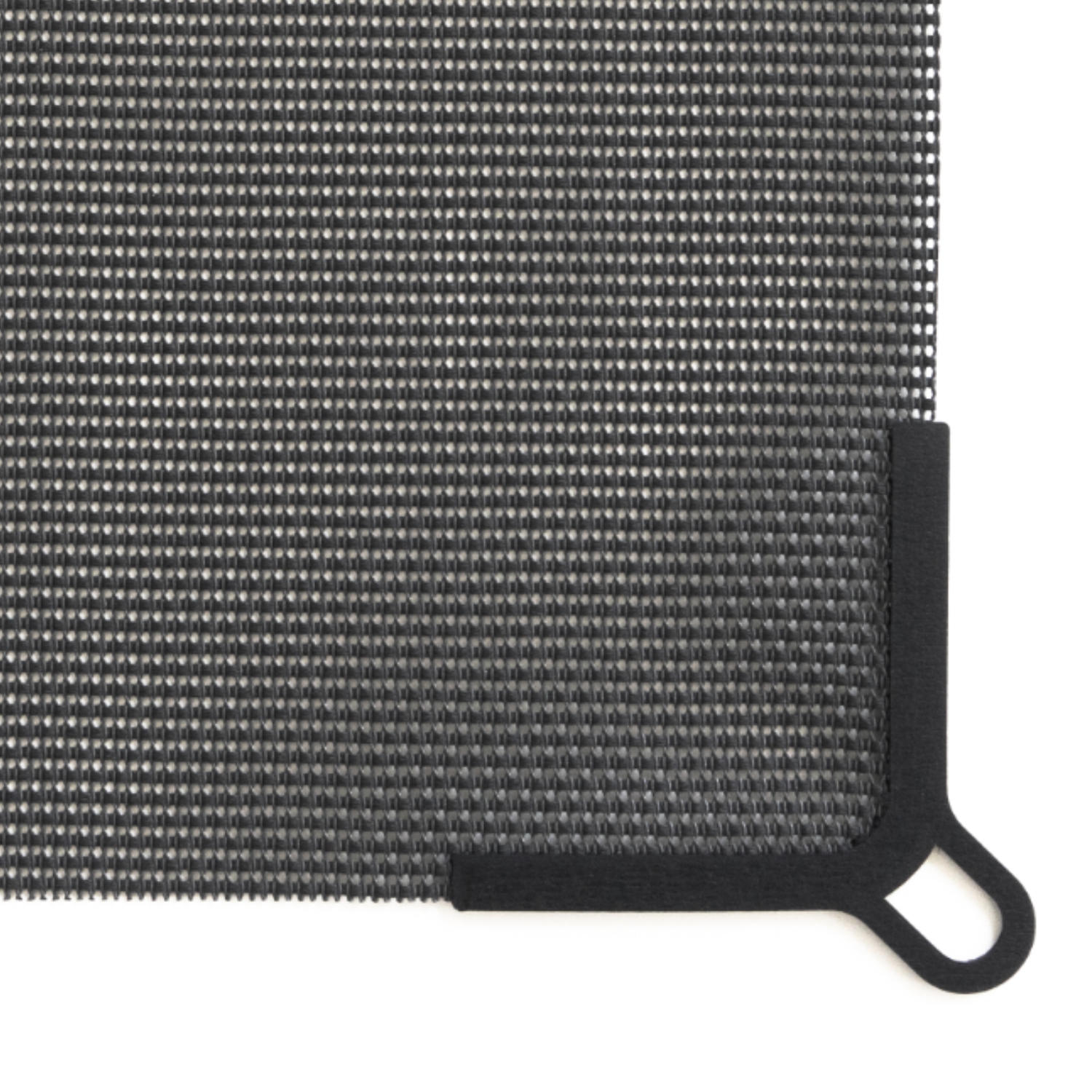
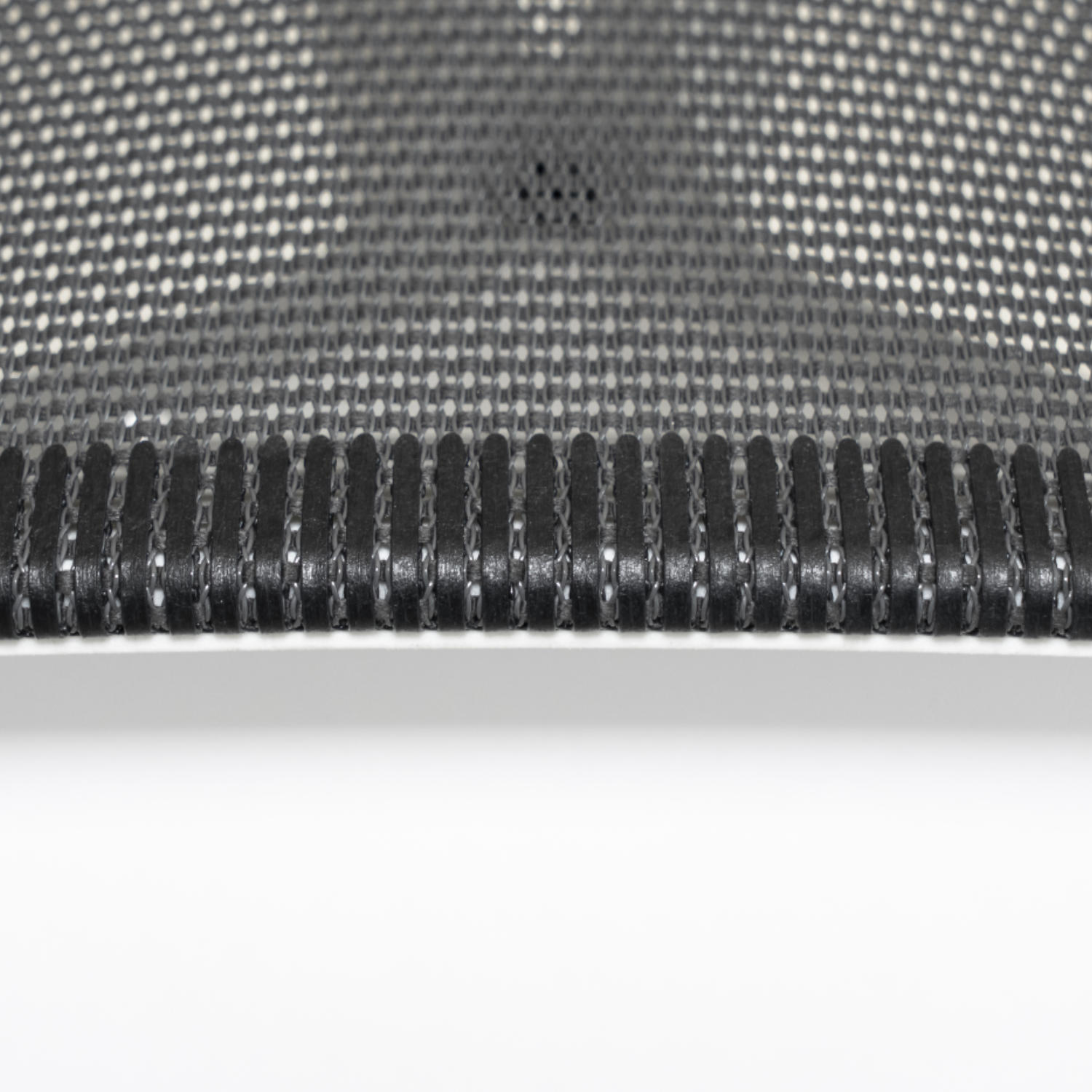
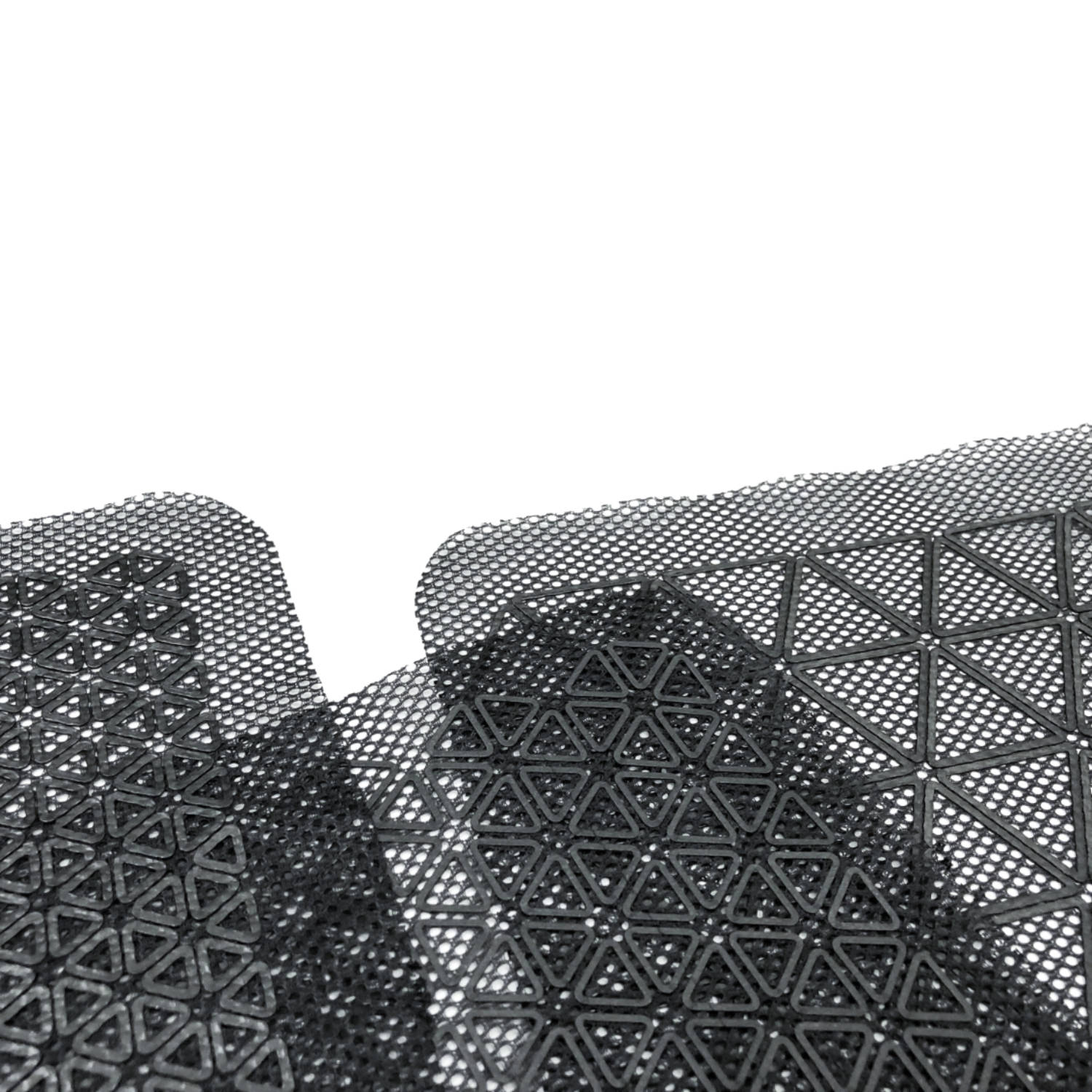
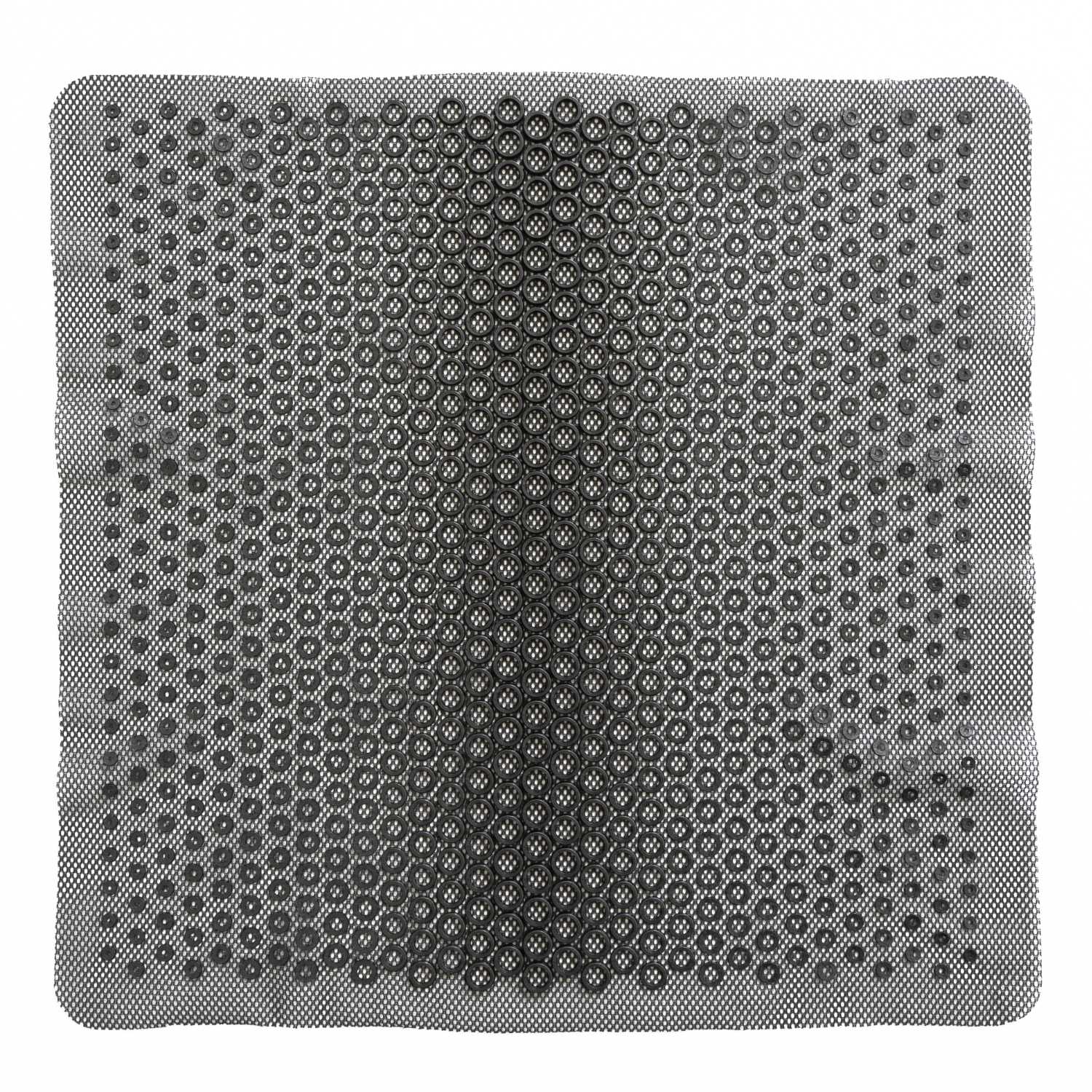
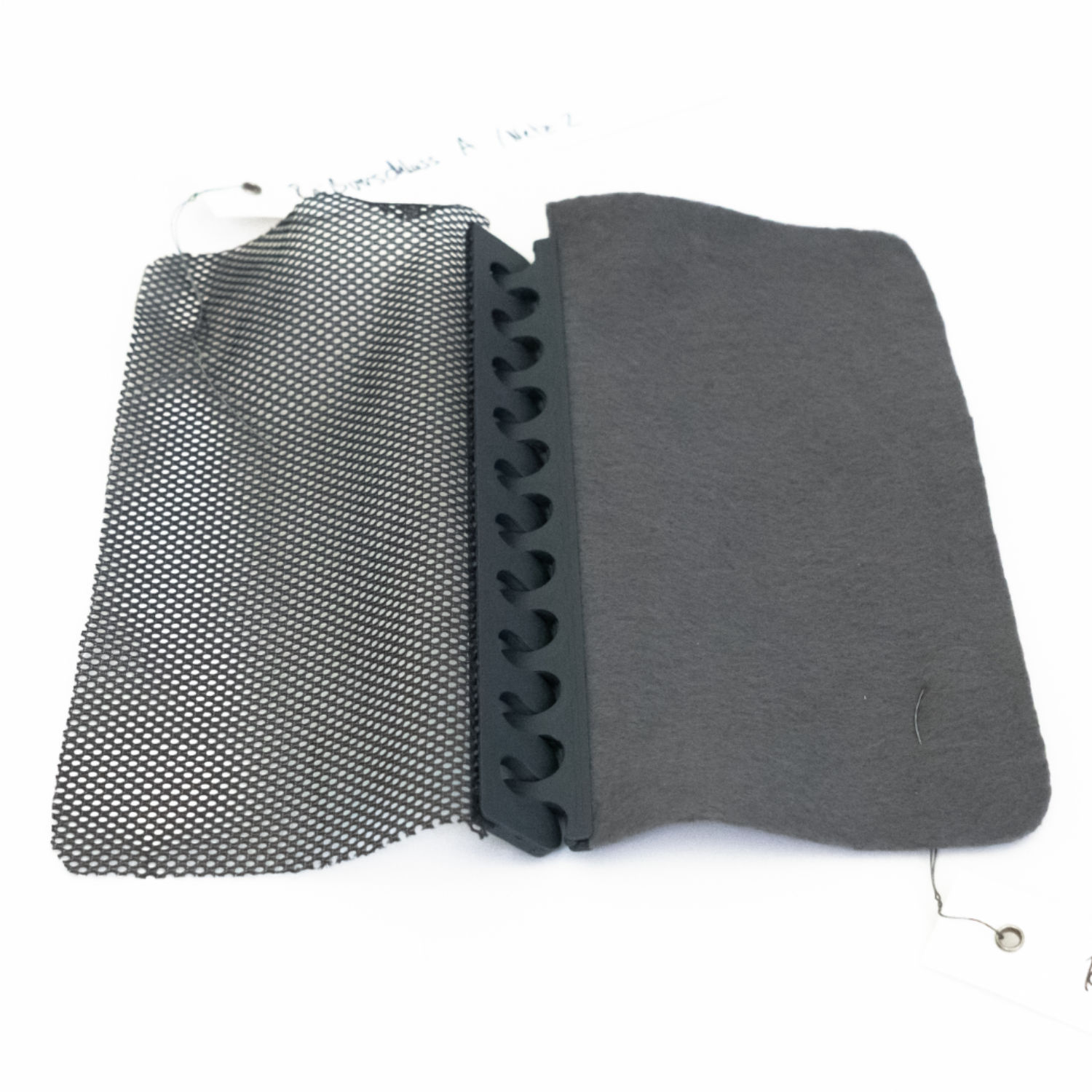
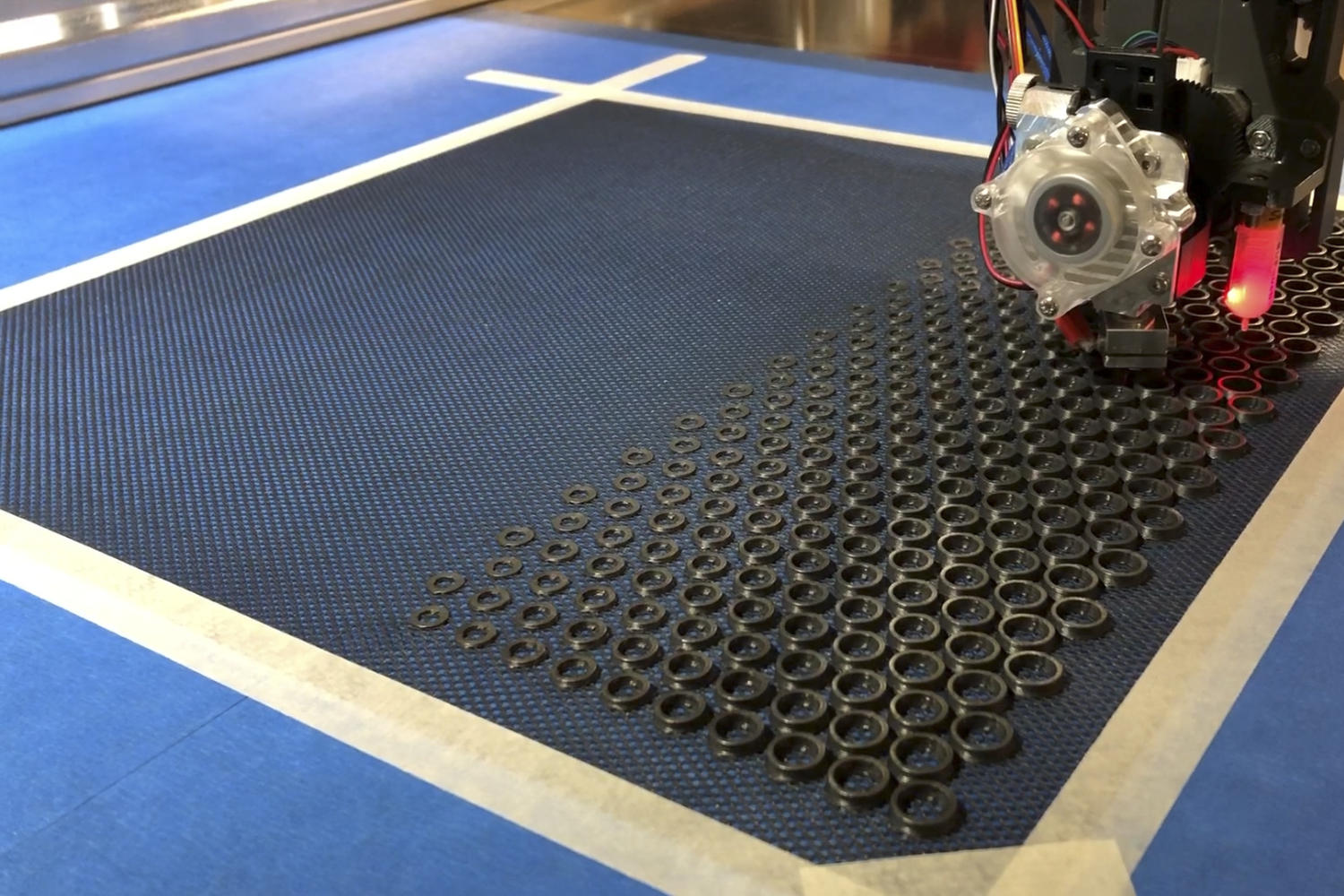
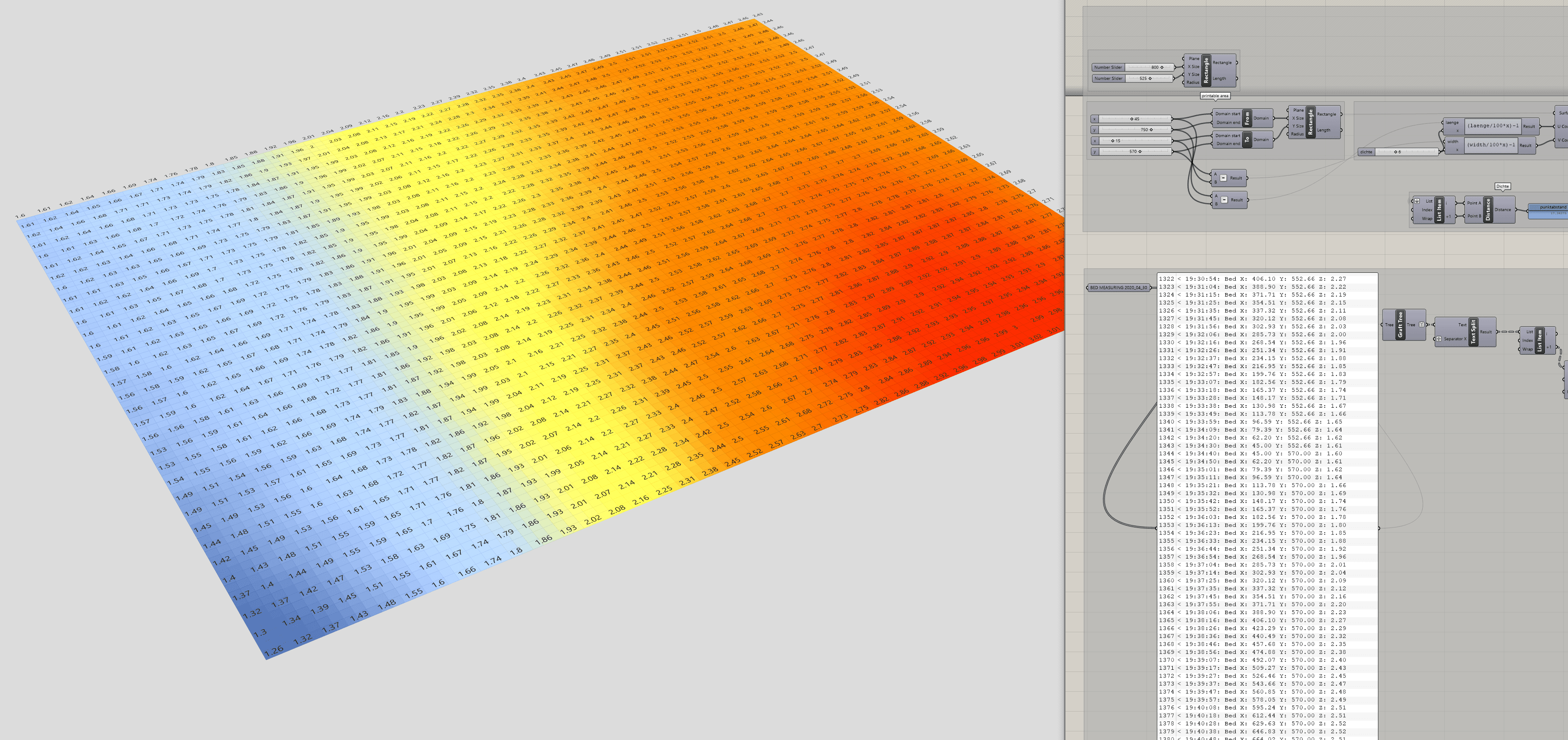
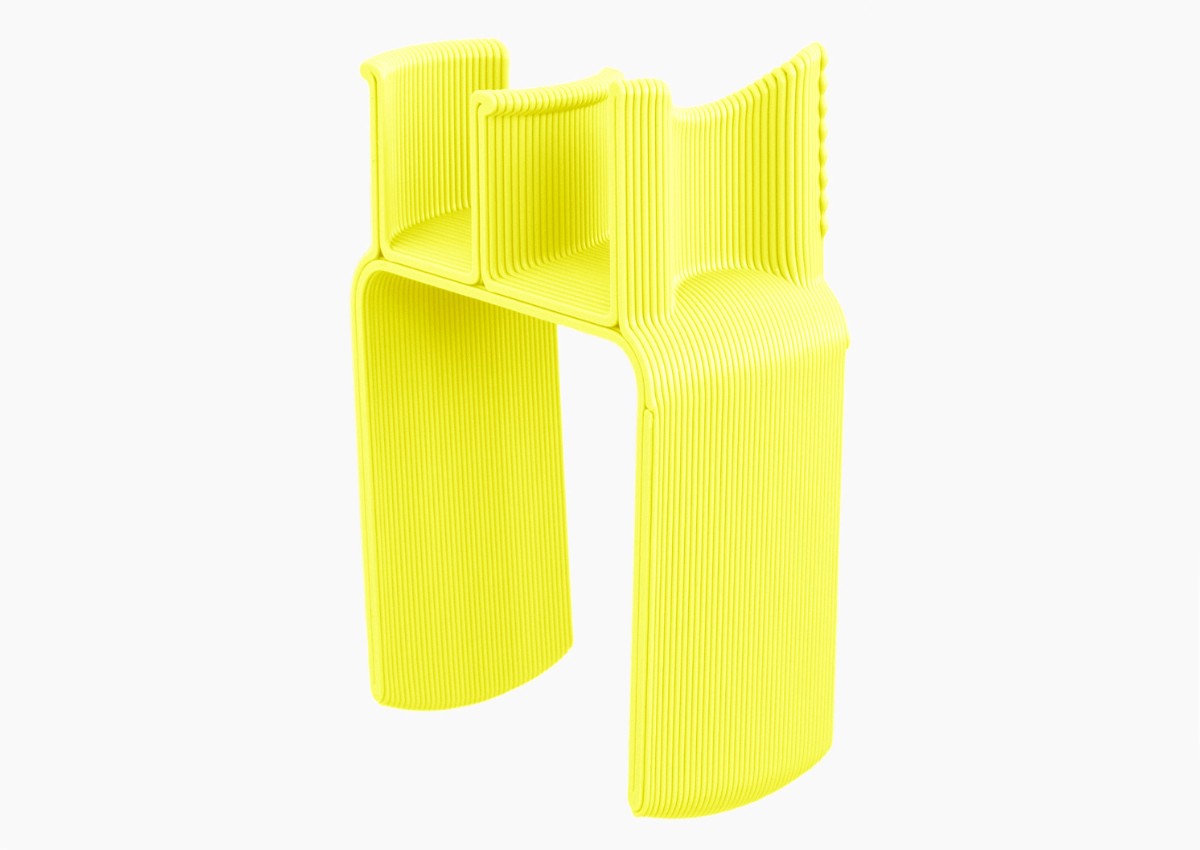
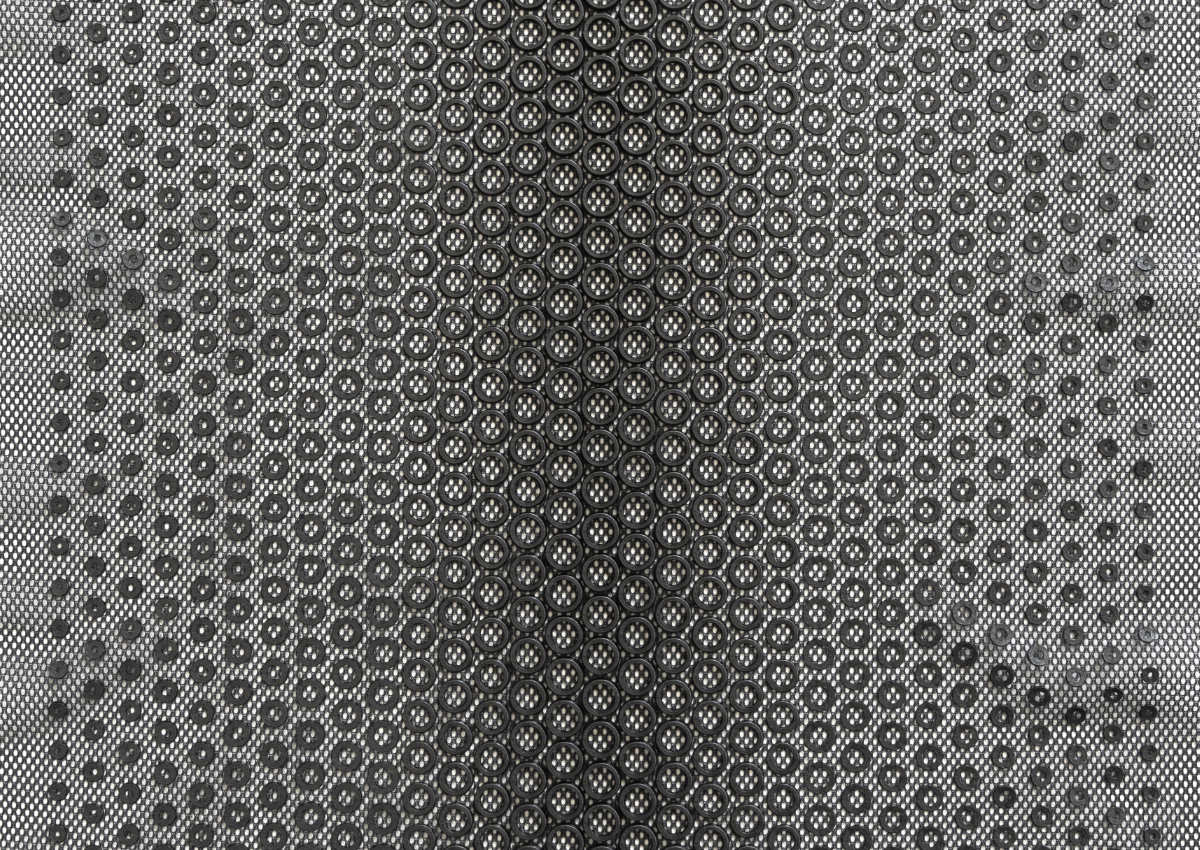
This project explores how FDM 3D printing can enhance textiles and membrane materials through integrated structures such as reinforcement zones, attachment features, edge stabilization, and quilting patterns. Material and geometric tests investigated the bonding behavior, mechanical interlocking, and structural performance of printed polymers on textiles. The research examines how additive processes on soft materials can be integrated into industrial production workflows and combined with established techniques such as cutting, stitching, or lamination.
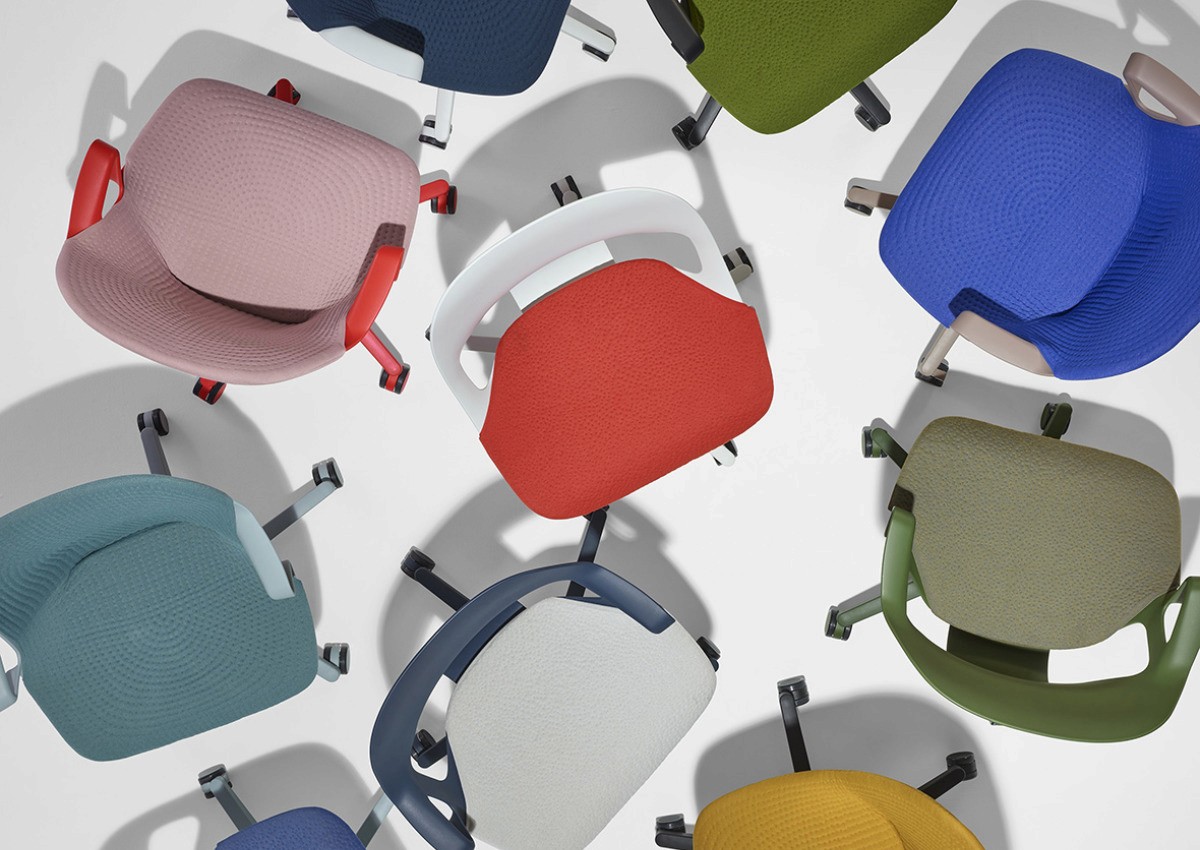
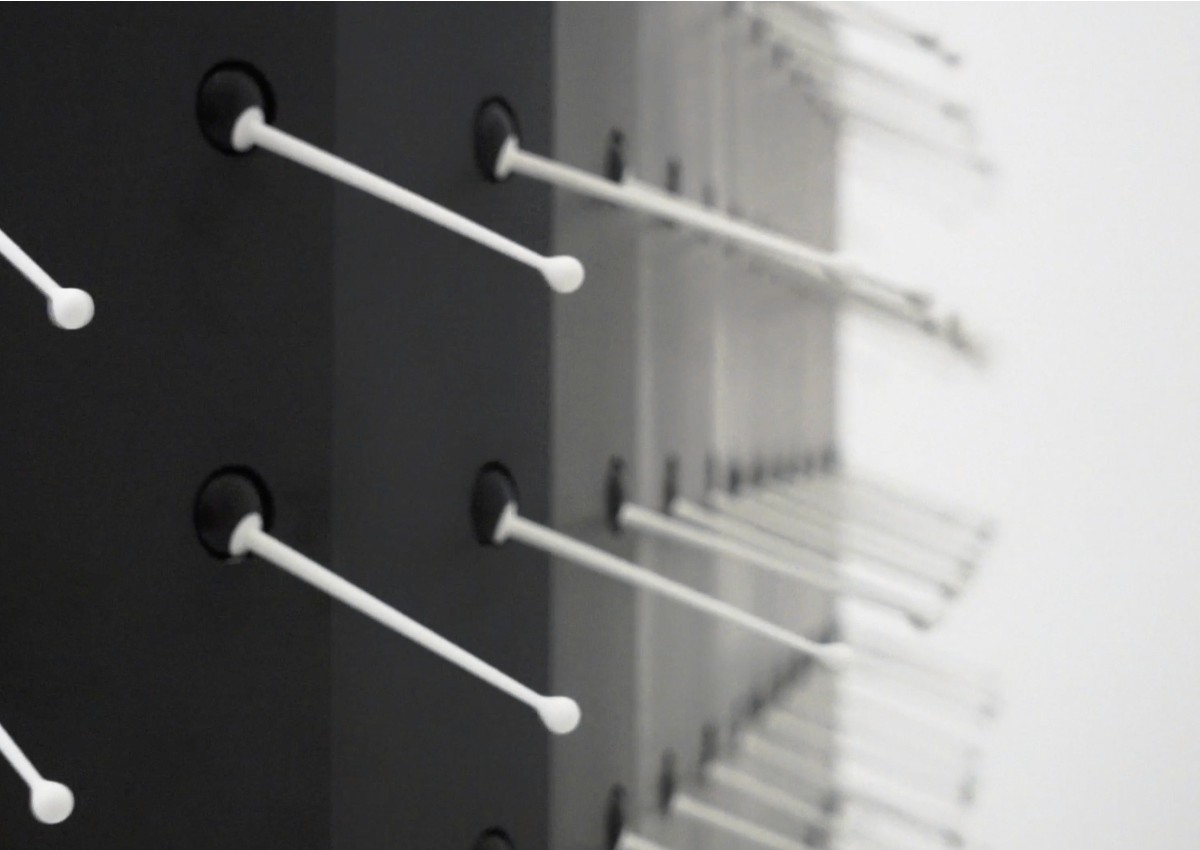
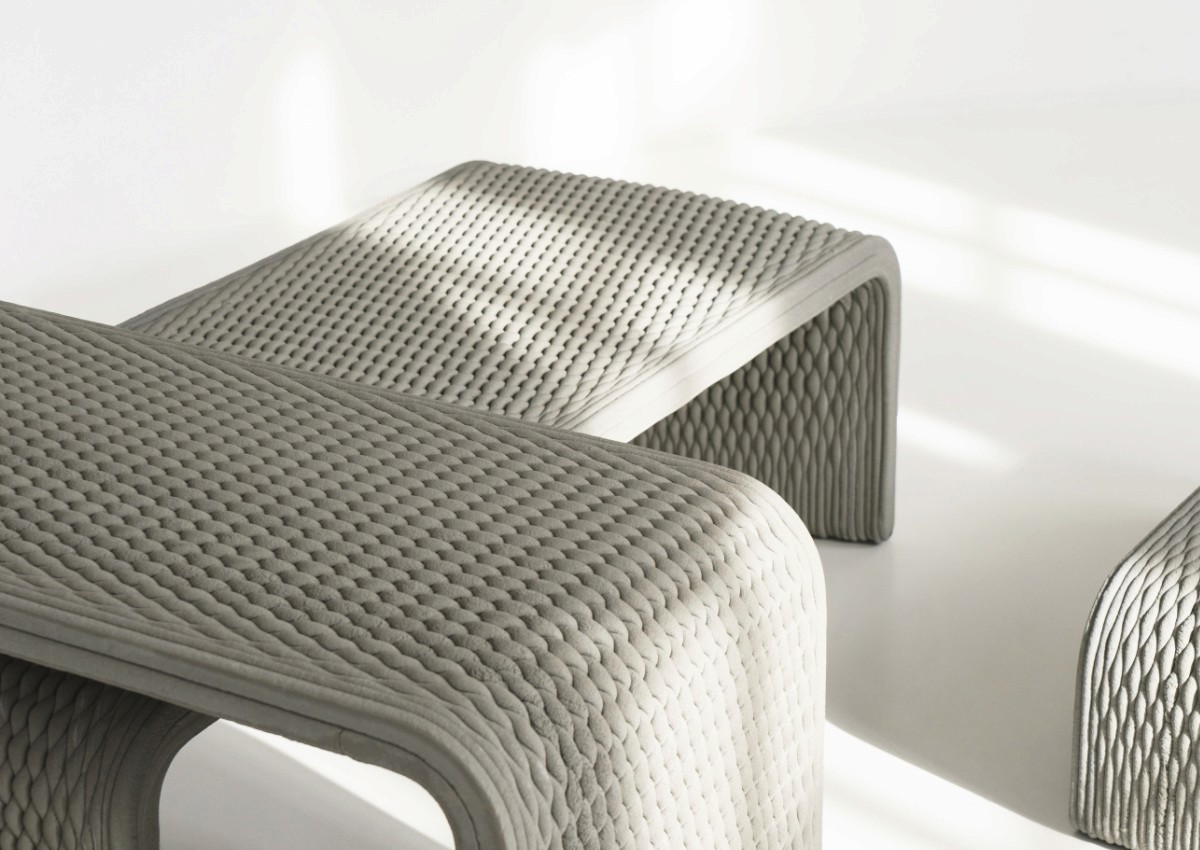
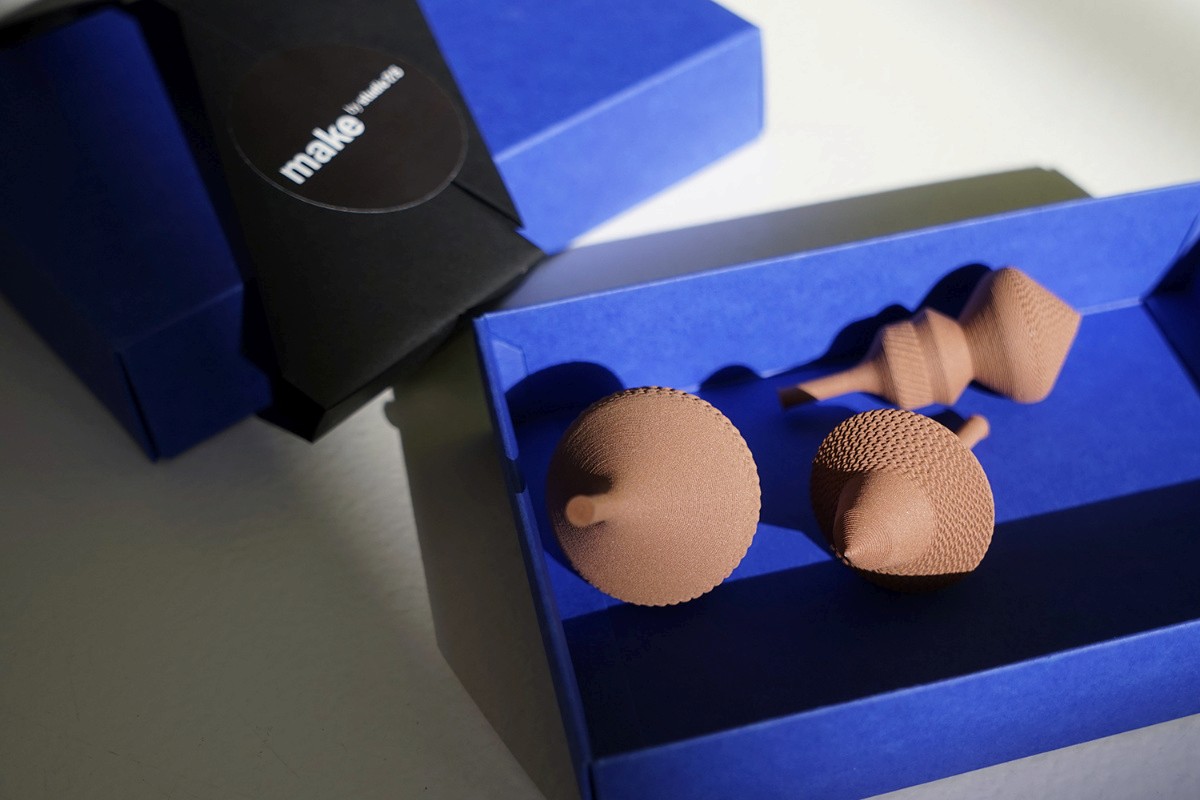
This project explores how FDM 3D printing can enhance textiles and membrane materials through integrated structures such as reinforcement zones, attachment features, edge stabilization, and quilting patterns. Material and geometric tests investigated the bonding behavior, mechanical interlocking, and structural performance of printed polymers on textiles. The research examines how additive processes on soft materials can be integrated into industrial production workflows and combined with established techniques such as cutting, stitching, or lamination.